Non-Surgical Pain Relief Treatments You Should Know About
- Rakesh Kumawat
- Mar 20
- 3 min read

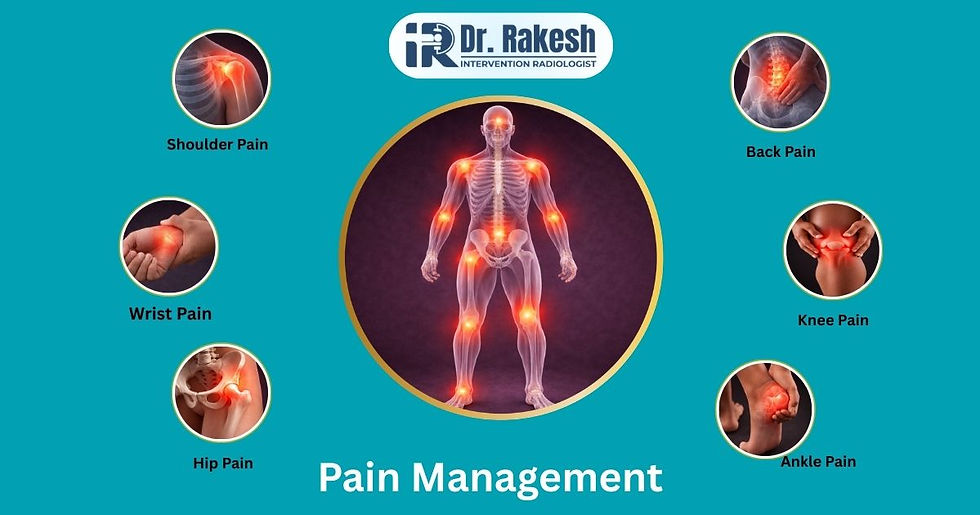
Chronic pain can significantly impact a person’s daily life. Whether it is knee pain, back pain, joint discomfort, or nerve-related pain, persistent pain can limit mobility, reduce productivity, and affect overall well-being. While many people believe that surgery is the only solution for severe pain conditions, modern medicine now offers several non-surgical pain relief treatments that are effective, safe, and minimally invasive.
Today, advanced medical techniques allow doctors to diagnose and treat the root cause of pain without major surgery. These treatments focus on reducing inflammation, improving blood circulation, and blocking pain signals to provide long-term relief. Understanding these modern options can help patients choose the right approach to manage their pain.
Understanding Chronic Pain
Pain can occur due to several reasons such as injury, arthritis, nerve compression, inflammation, or poor circulation. In some cases, pain may last for weeks or even months and gradually become chronic.
Chronic pain commonly affects areas such as:
• Back and neck
• Shoulders and hips
• Nerves and muscles
• Blood vessels and veins
Instead of relying only on pain medications or surgical procedures, modern pain management focuses on minimally invasive treatments that address the underlying cause of pain.
Non-Surgical Pain Relief Treatments
Several advanced treatments are now available to help patients manage pain effectively without undergoing surgery.
Image-Guided Pain Injections
Image-guided injections are one of the most effective non-surgical pain management techniques. In this procedure, doctors use imaging technology such as ultrasound or fluoroscopy to accurately locate the source of pain.
Medication is then injected directly into the affected area to reduce inflammation and relieve pain. Because the treatment targets the exact location of the problem, it provides more effective relief compared to general medications.
This treatment is commonly used for joint pain, spinal pain, and nerve-related pain.
Genicular Nerve Block for Knee Pain
Genicular nerve block is a minimally invasive procedure used to treat chronic knee pain, especially in patients suffering from osteoarthritis.
Small nerves around the knee, called genicular nerves, transmit pain signals from the knee joint to the brain. During this procedure, a doctor injects a local anesthetic near these nerves to block the pain signals.
This treatment helps reduce pain and improve mobility without requiring knee surgery.
Radiofrequency Ablation (RFA)
Radiofrequency ablation is another advanced treatment used for chronic pain management. In this procedure, heat generated by radiofrequency energy is used to disrupt the nerves responsible for transmitting pain signals.
By temporarily disabling these nerves, the treatment provides long-lasting pain relief for several months or even longer.
RFA is often used for treating knee pain, back pain, neck pain, and arthritis-related discomfort.
Physiotherapy and Rehabilitation
Physiotherapy is an essential part of non-surgical pain management. Strengthening the muscles around painful joints helps improve stability and reduce stress on affected areas.
Physiotherapists may recommend exercises, stretching techniques, and posture correction to help reduce pain and prevent further injury.
Regular physiotherapy can improve mobility and support long-term recovery.
Lifestyle Modifications
Simple lifestyle changes can also help manage chronic pain effectively. Doctors often recommend:
• Maintaining a healthy body weight
• Regular low-impact exercise such as walking or swimming
• Proper posture during sitting and working
• Avoiding activities that put excessive strain on joints
These changes can significantly reduce stress on the body and improve overall joint health.
Benefits of Non-Surgical Pain Treatments
Non-surgical treatments have become increasingly popular because they offer several advantages compared to traditional surgical procedures.
Some key benefits include:
• Minimal risk and fewer complications
• Faster recovery time
• No large surgical incisions
• Less pain and discomfort during treatment
• Shorter hospital stays
• Improved mobility and quality of life
Many patients who are not suitable candidates for surgery due to age or medical conditions can benefit greatly from these modern pain management techniques.
About Dr. Rakesh Kumawat – Interventional Radiologist & Pain Management Specialist in Jaipur
Dr. Rakesh Kumawat is a highly experienced Interventional Radiologist and Pain Management Specialist in Jaipur, known for providing advanced minimally invasive treatments for chronic pain conditions.
With expertise in image-guided procedures, Dr. Kumawat specializes in treating conditions such as knee pain, joint pain, varicose veins, and other vascular disorders. His approach focuses on precise diagnosis and targeted treatment that reduces the need for traditional surgery.
Using modern interventional radiology techniques, he offers treatments such as genicular nerve block, image-guided injections, and other minimally invasive pain management procedures. These advanced treatments help patients experience effective pain relief while allowing faster recovery and minimal downtime.
Patients seeking a trusted pain management specialist in Jaipur can benefit from his patient-centered care and expertise in non-surgical pain relief treatments.
When Should You Consider Non-Surgical Pain Treatment?
You should consult a pain management specialist if you experience:
• Pain lasting for several weeks or months
• Limited movement due to joint pain
• Pain that does not improve with medications
• Difficulty performing daily activities
• Chronic knee, back, or nerve pain
Early medical consultation helps doctors identify the cause of pain and recommend the most suitable treatment.


Comments